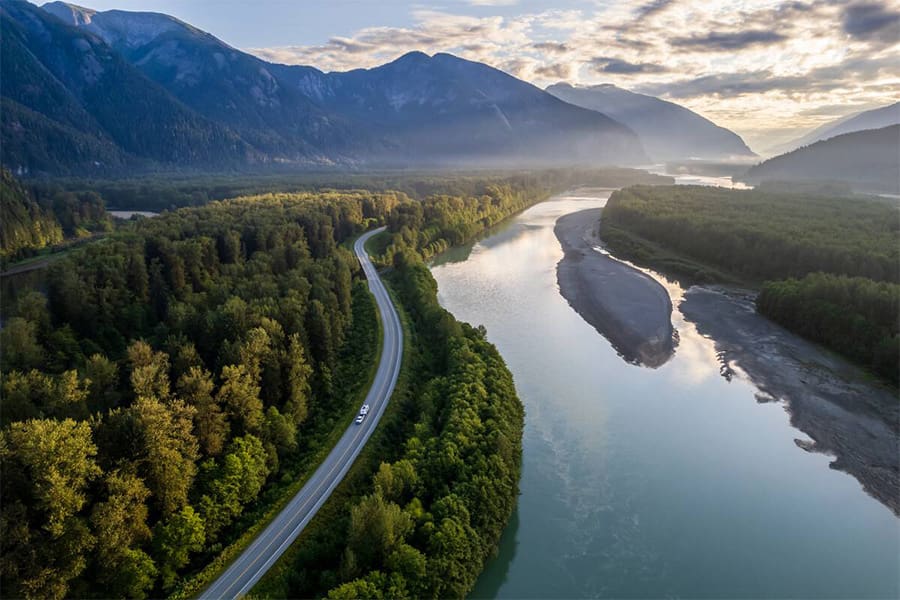

A scenic winter wildlife adventure along the Skeena River
Every year in late winter, something remarkable happens along the Skeena River near Terrace. Small silver fish known as oolichan return from the ocean to spawn in the river, creating a seasonal event that has supported wildlife and Indigenous communities for thousands of years.
Curious to witness this natural phenomenon for ourselves, three of us from Tourism Terrace set out on a short road trip from Terrace along Highway 16 toward Prince Rupert. For one, it was a first time experiencing the oolichan run, while two of us had previously witnessed it during past seasons.
What unfolded was a beautiful three-hour adventure filled with dramatic scenery, wildlife sightings, and a deeper appreciation for the cultural importance of the oolichan run. As Allison later reflected:
“Watching the Oolichan Run was beautiful! The birds and sea lions with the breathtaking mountain backdrop made for a perfect first experience.”
Leaving Terrace: Following the Markers
Our adventure began as we passed the community of Kitsumkalum on the outskirts of Terrace. The Visit Terrace website provides a helpful Oolichan Run Map showing the key markers along the route to the oolichan viewing areas, making it easy to plan your trip.
Our first landmark was the turnoff to Shames Mountain, a beloved local ski hill that we would later return to for lunch. Not long after, we passed the Exstew Rest Area and the road leading to Exstew Falls. Seeing the sign brought back memories of previous visits. Exstew Falls is a beautiful waterfall tucked up a forest service road. While it can technically be visited year-round, the best access is usually late spring through fall (May–October) when road conditions are more reliable and glacier runoff makes the falls especially powerful. If you’re exploring this region, it’s definitely worth adding to your list.
A Scenic Winter Drive
As we continued west, the scenery became even more dramatic.
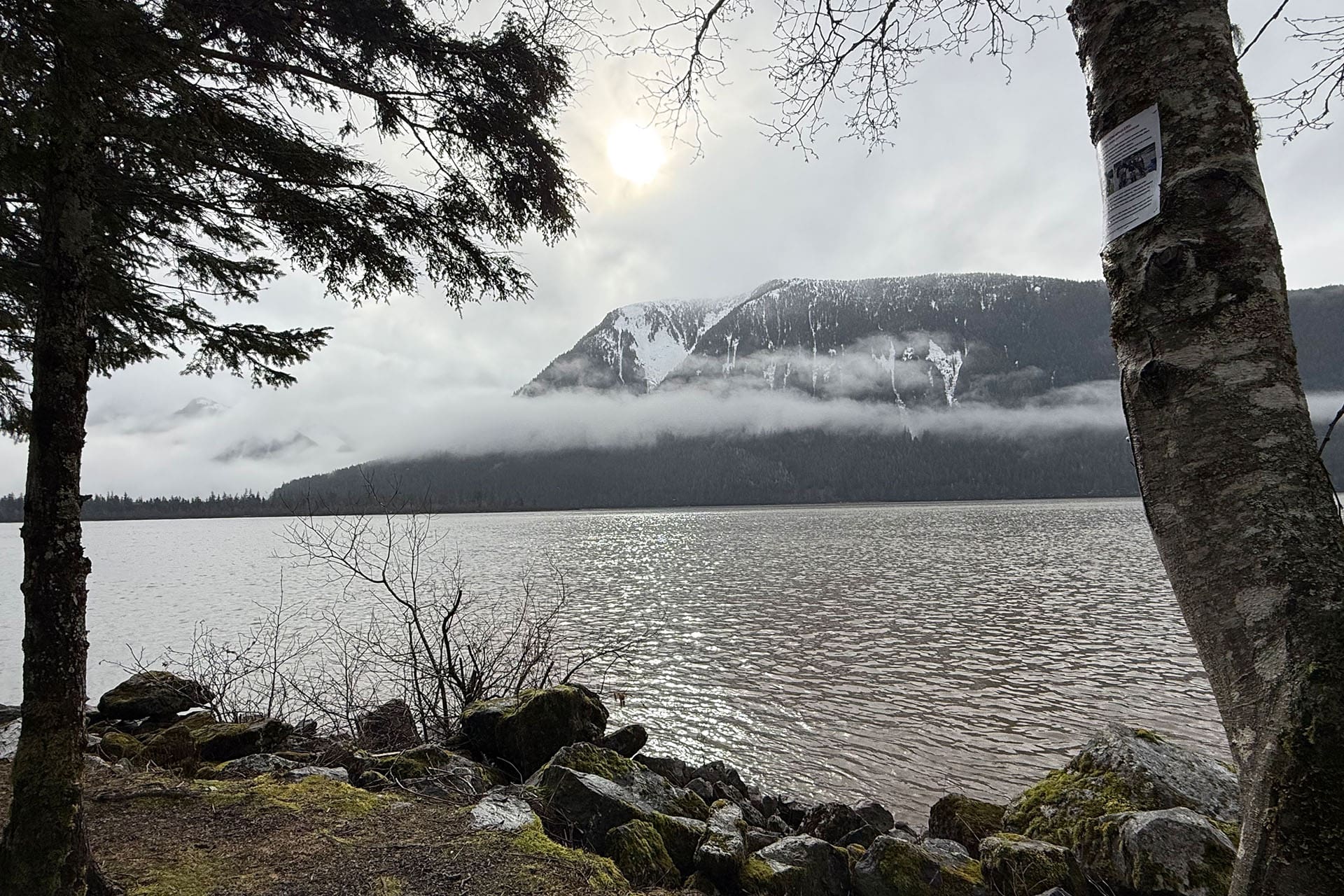
Snow-covered mountains towered over the highway while frozen mini waterfalls clung to rocky cliff faces along the roadside. The road conditions were excellent, and although it wasn’t a bright sunny day, the low fog added a quiet beauty to the landscape. We were grateful the rain held off for most of the drive.
Soon we passed beneath “Car Wash Rock.” This is a local nickname for a rocky section of Highway 16 where natural springs cascade over the cliff and onto the road. After heavy rain or snowmelt, vehicles passing underneath get an unintentional spray — like driving through a car wash. Sure enough, the runoff was flowing today, though lighter than we’ve experienced on previous trips.
Driving along the Skeena River
Continuing along the highway, we passed the entrance to Exchamsiks River Provincial Park and the nearby boat launch. Shortly afterward we reached the area where the Exchamsiks River flows into the Skeena.
Next came the sign for Kasiks Wilderness Resort. Only one of us had visited before, and we were eager to stop there for a late lunch on the way back. We’ve heard wonderful things about their café and bakery. Unfortunately, the resort was closed that day, but we vowed to return in the spring to explore the grounds and dining facilities. It’s also a great marker to watch for — once you see it, you know you’re getting close to the oolichan activity.
First Signs of the Oolichan Run
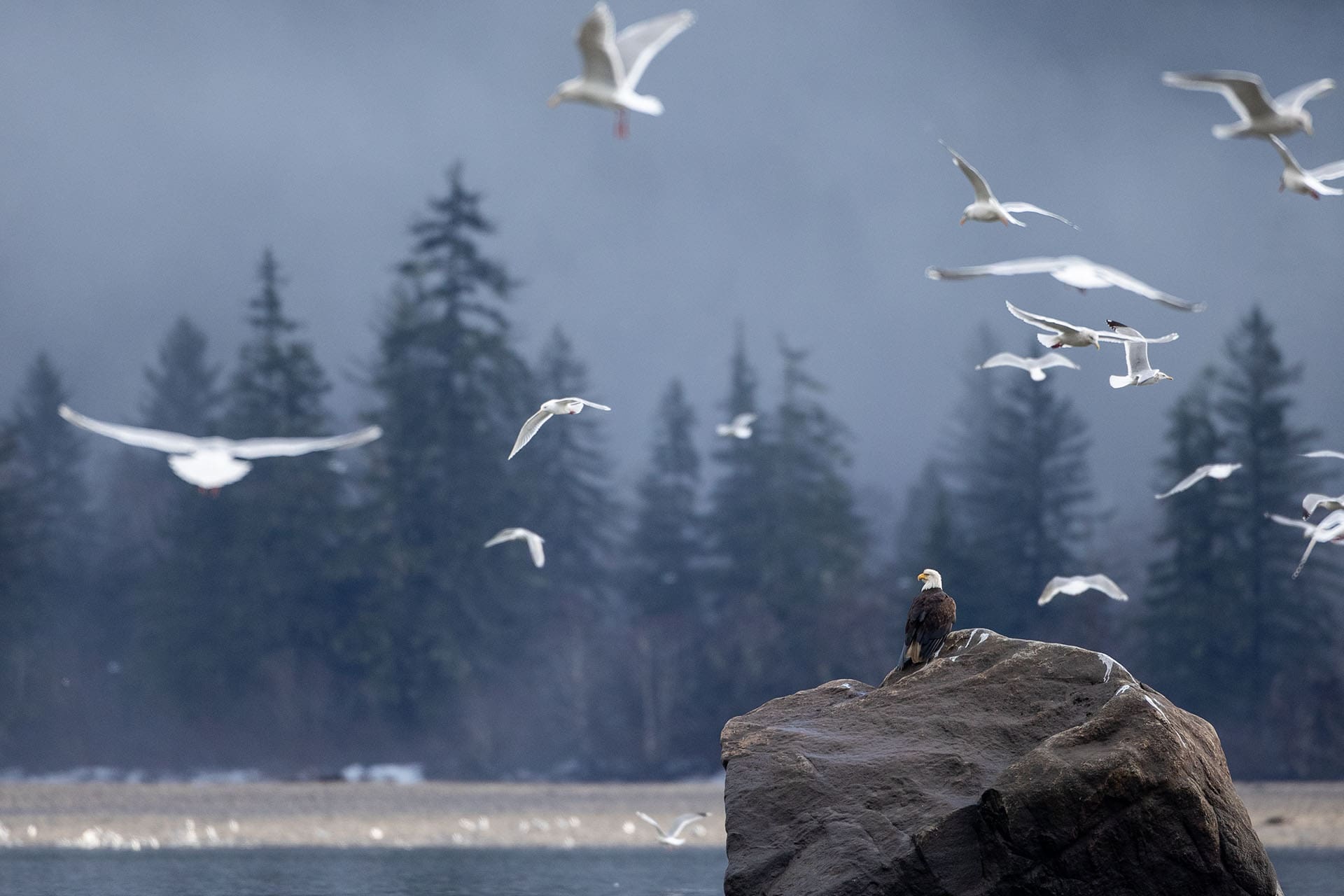
From here, the Skeena River runs alongside the highway on your left. Because the tide was out, the shoreline had transformed into wide sandy tidal flats. It didn’t take long before we began spotting majestic bald eagles perched along the shoreline. The oolichan run attracts wildlife from across the region, and the birds clearly knew where to find an easy meal.
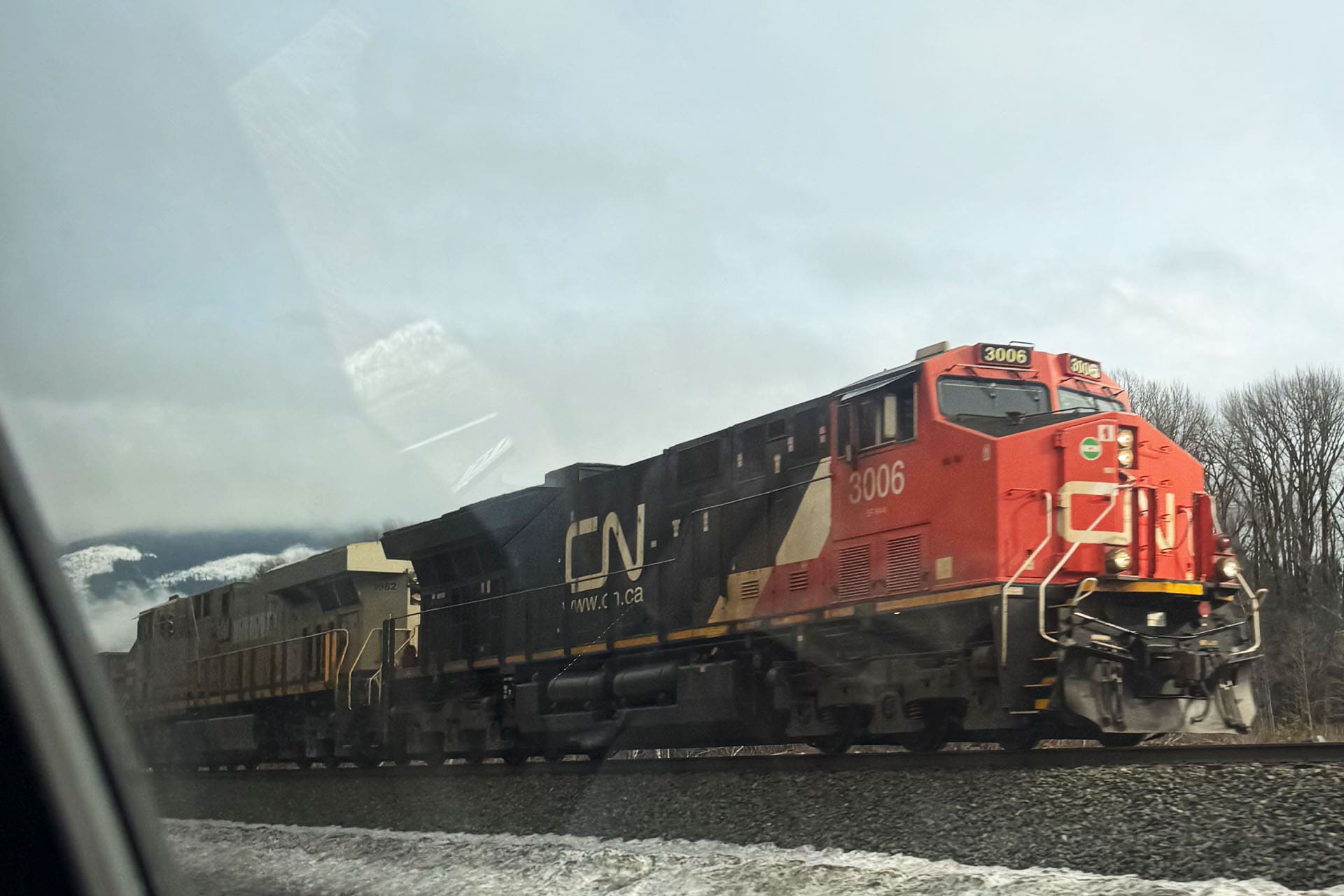
Another striking feature of this stretch of highway is the railway line running alongside it. Every so often a train speeds by stacked with colourful shipping containers — a vivid contrast against the snowy mountains.
Our First Stop: Kwinitsa East
Our first official stop was near the Kwinitsa River, specifically the Kwinitsa East pull-off.
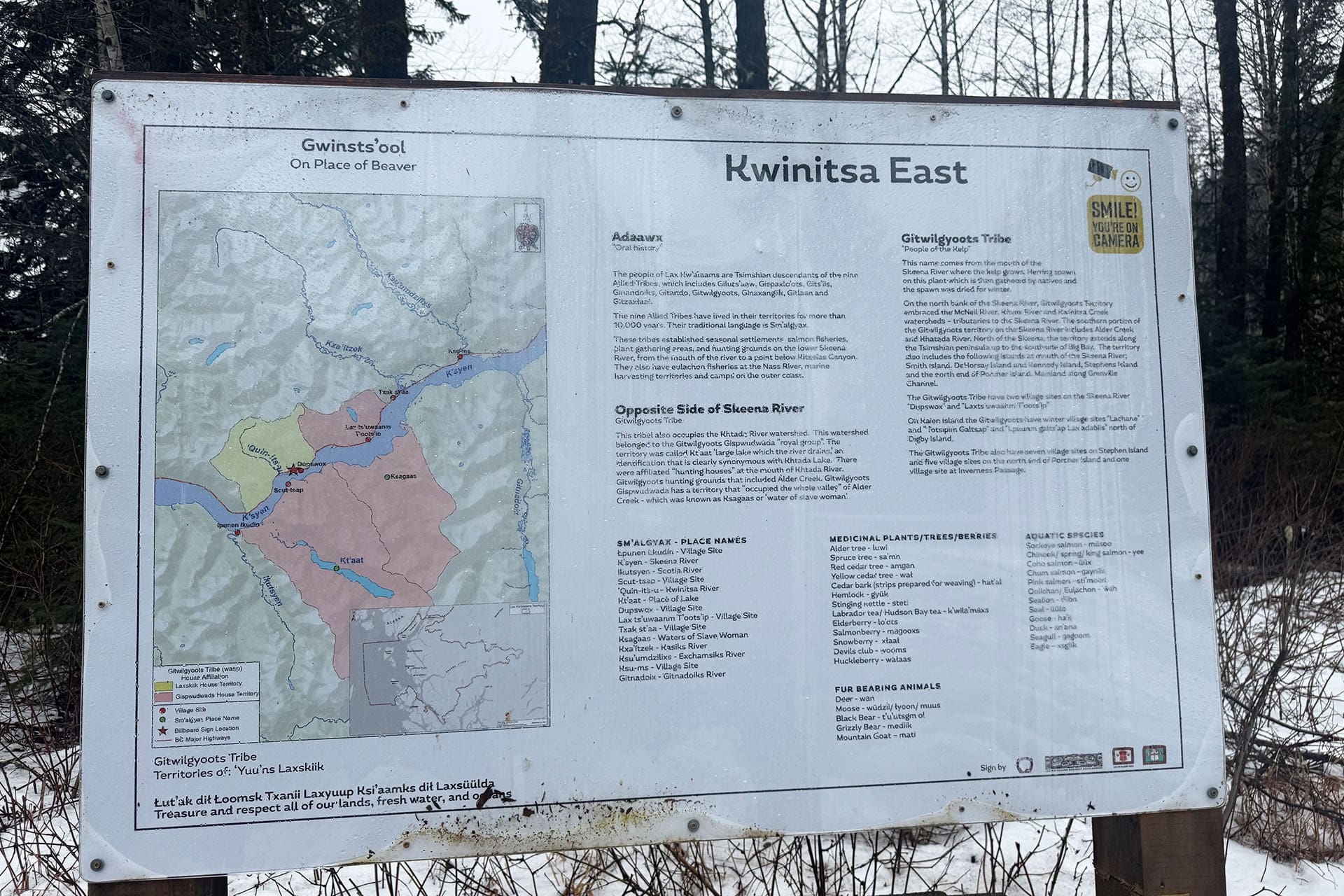
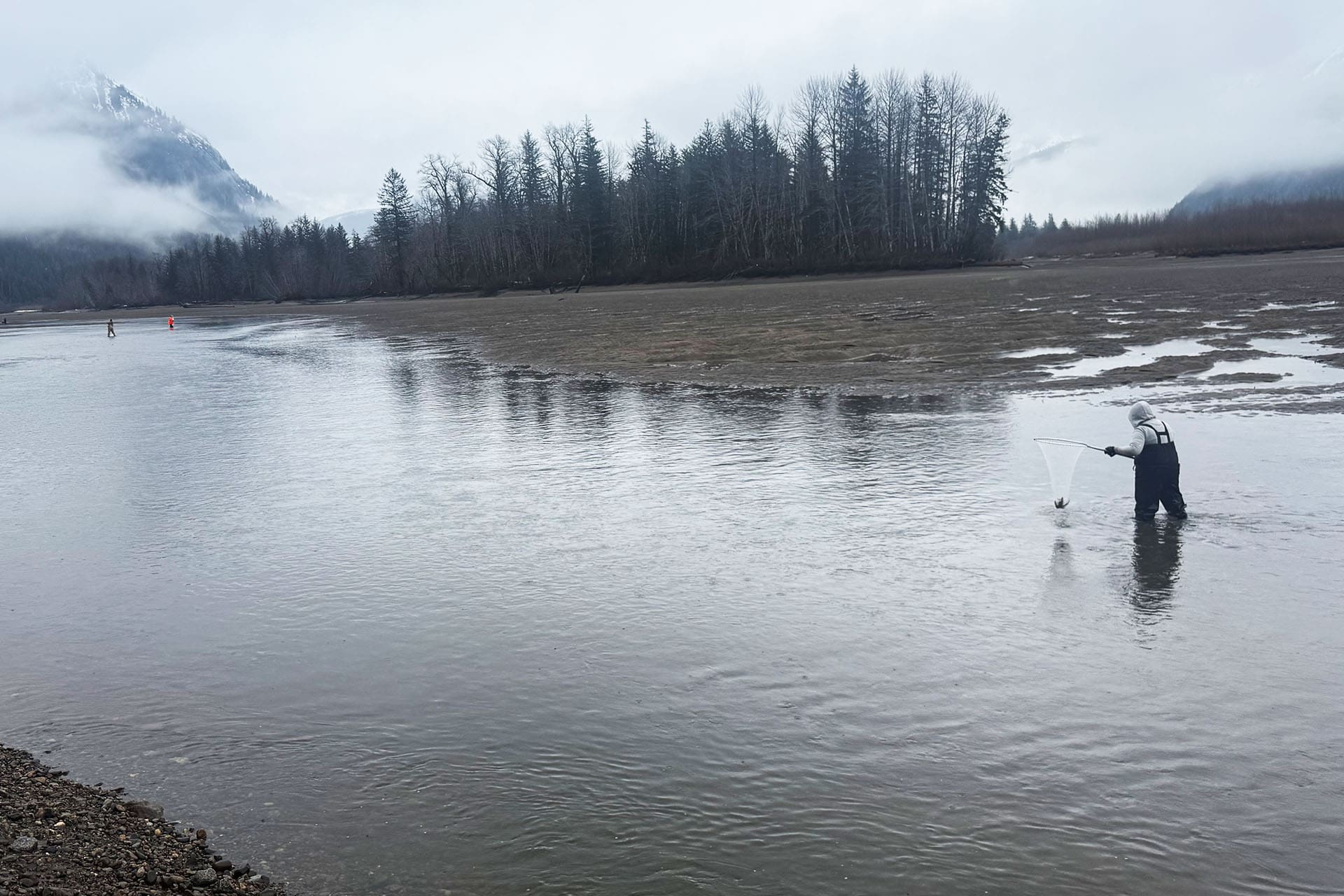
A small parking area sits just off the highway, and when we arrived several vehicles were already parked. Local fishers were preparing their nets and waders, heading into the shallow water to harvest oolichan. One thing we quickly noticed was the strength and determination required to fish for these small but abundant fish. As Allison observed while watching from the shore:
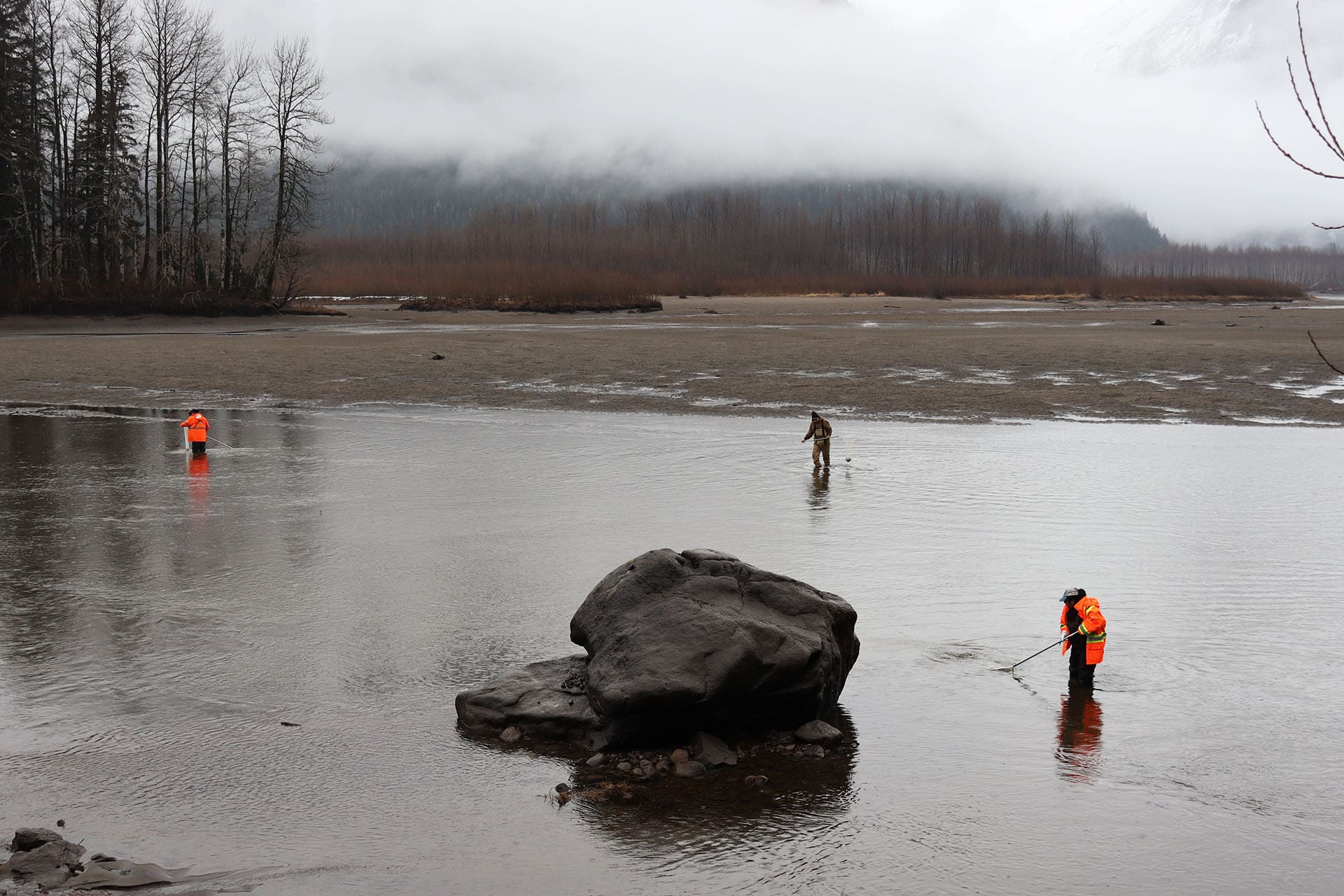
“Watching people fish for the oolichan was really cool. The strength they use to pull the nets through the water and determination was incredible! They were so friendly, welcoming us with a big smile to take a look at their oolichan haul.”
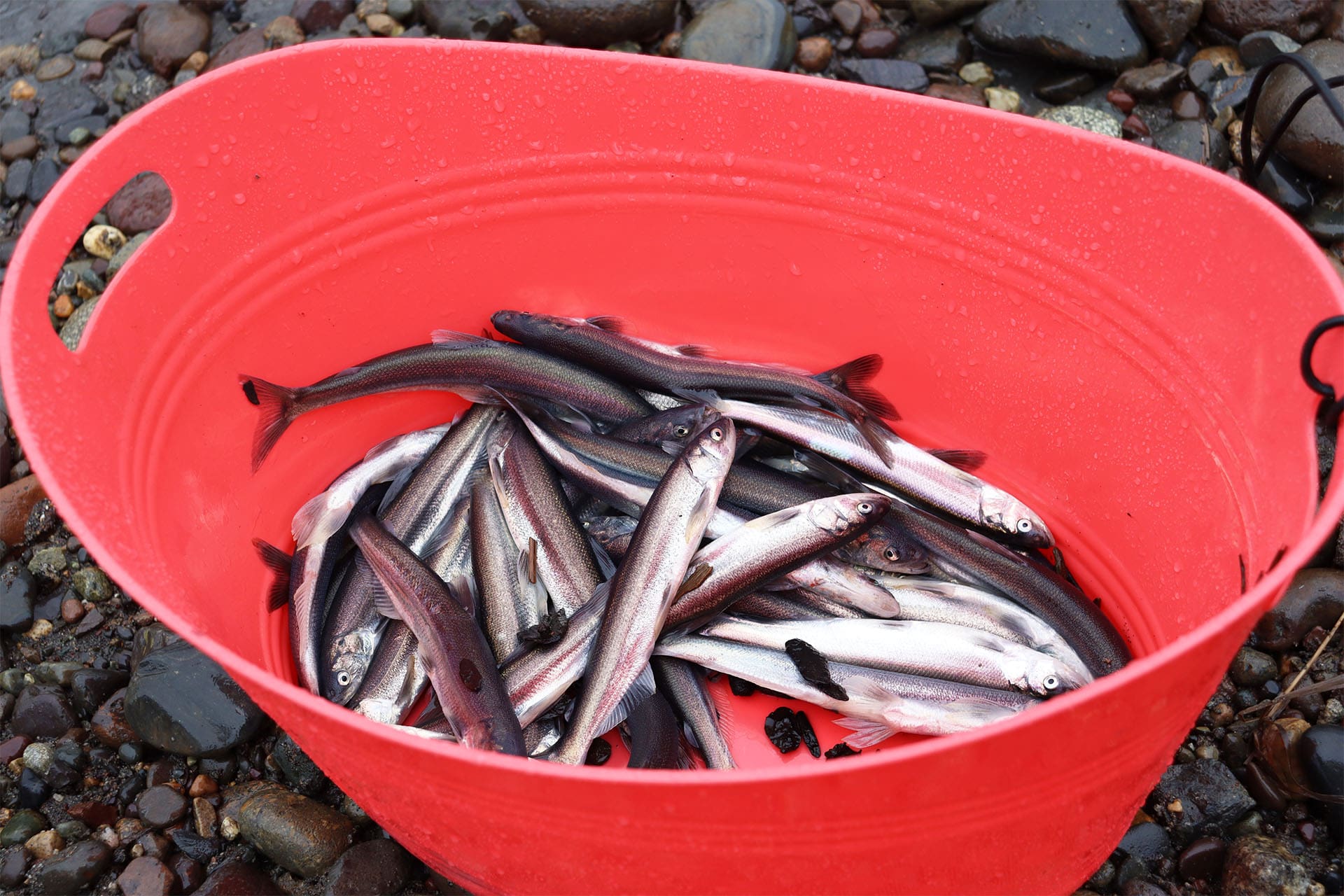
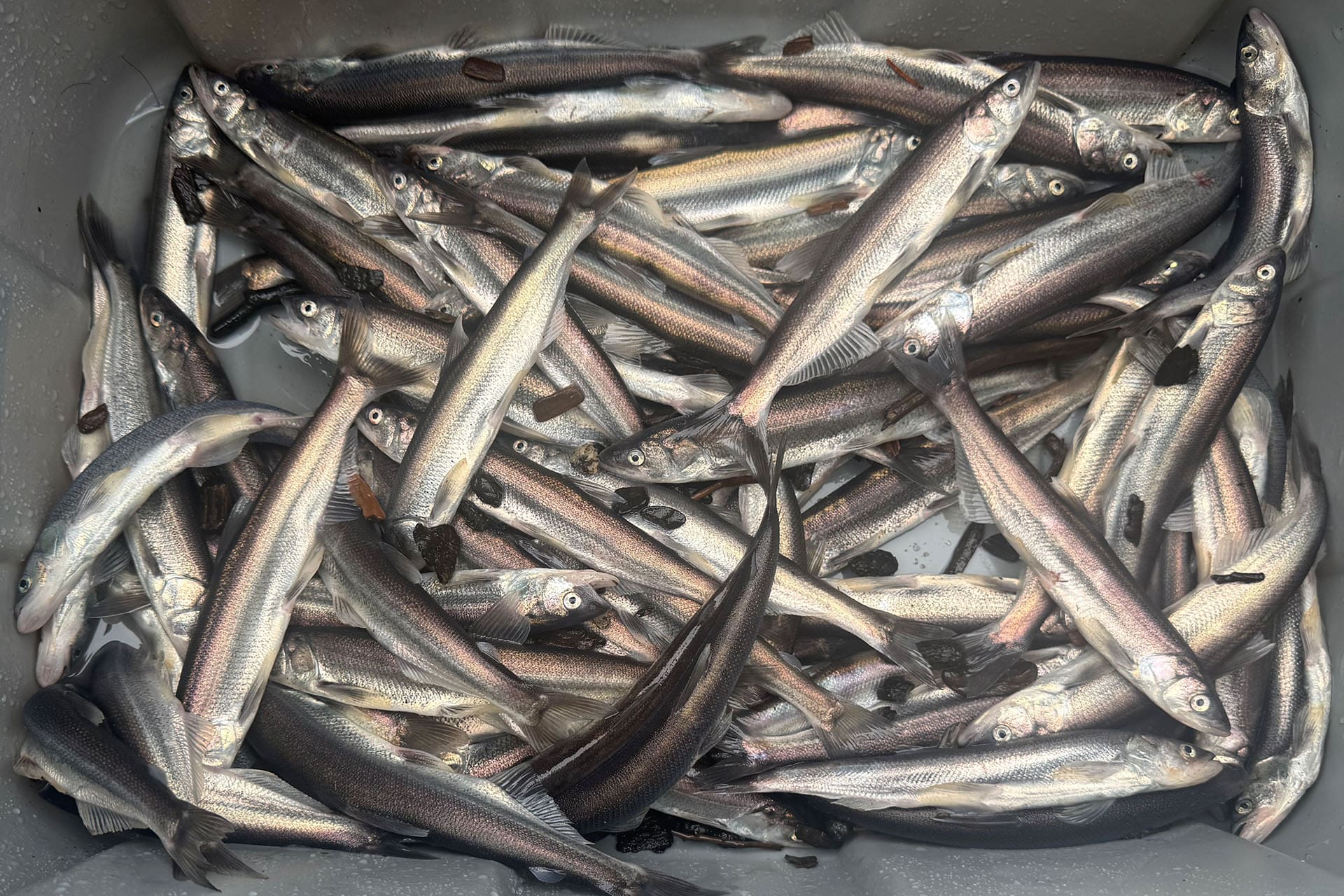
Seeing the tradition up close was fascinating. One fisherwoman had brought her mother and young daughter along, who watched from the shoreline. It was a meaningful moment to see this cultural tradition being shared across generations. They even kindly allowed us to photograph their buckets filled with shimmering oolichan — an incredible sight up close.
A Culturally Significant Tradition
It’s important for visitors to understand that oolichan fishing is culturally significant and sensitive.
For thousands of years, the fish has been harvested by Indigenous nations including the Tsimshian and Gitxsan. Oolichan are a staple food and the source of oolichan oil, once widely traded along historic grease trails. Because of their high oil content, the fish are sometimes called “candlefish,” as they can burn like a candle when dried. Harvesting the fish is tied to seasonal cycles, ceremonies, and stewardship practices. Many areas along the Skeena River recognize Indigenous fishing rights, and non-Indigenous harvesting may be restricted.
For visitors, the best approach is simple: observe respectfully and learn from the experience.
Second Stop: Telegraph Point
After some time watching the harvest, we continued about ten minutes up the highway to Telegraph Point Rest Area.
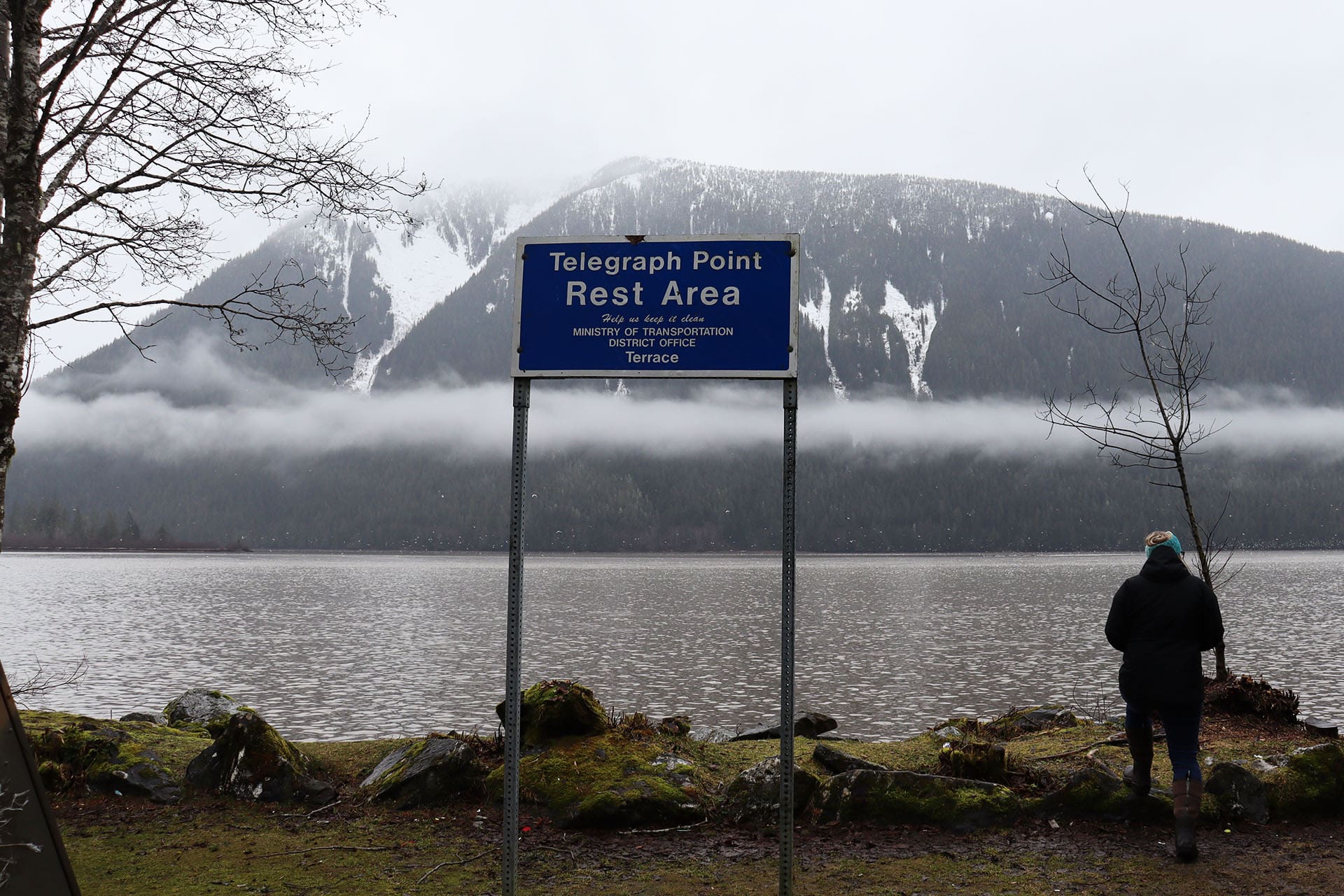
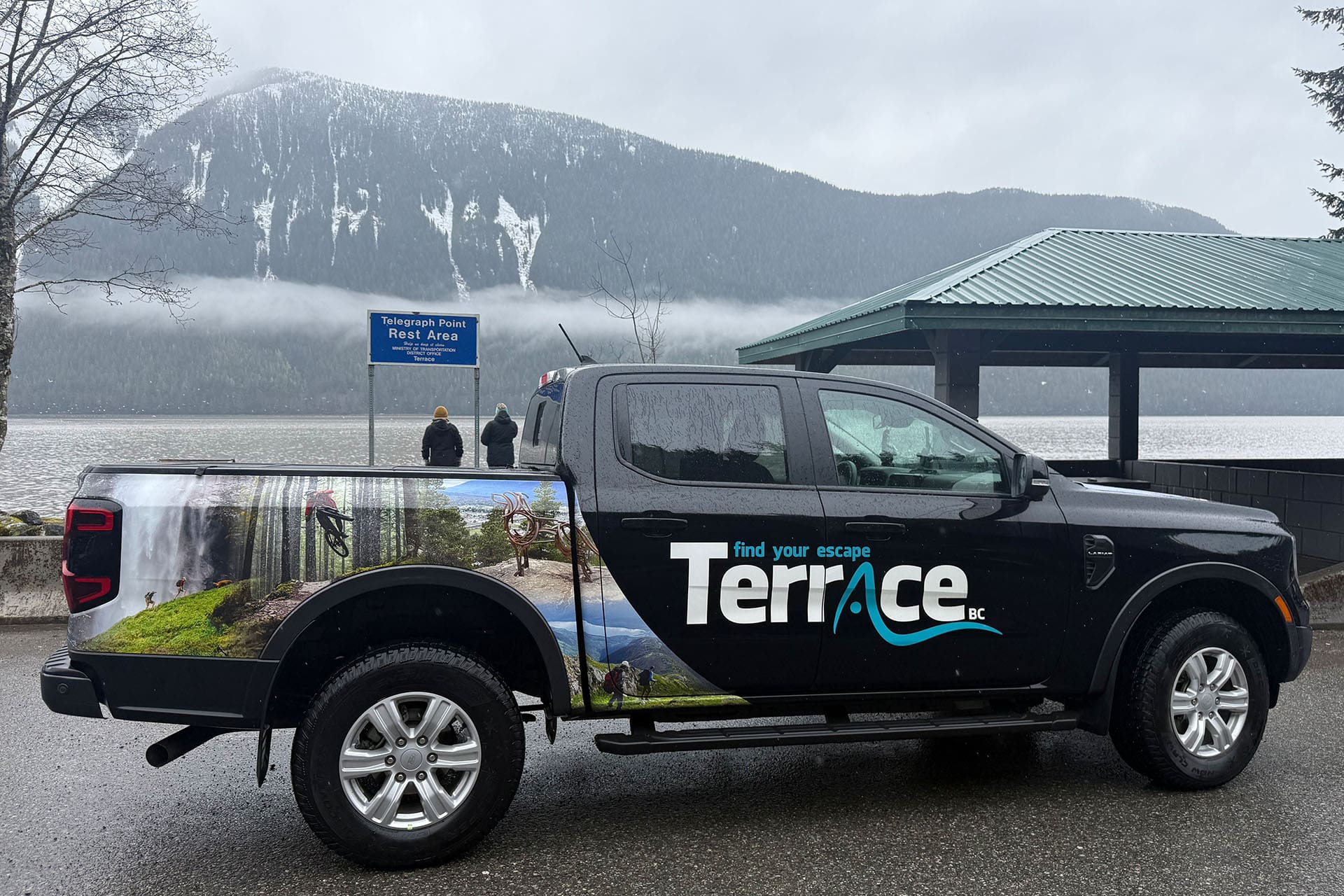
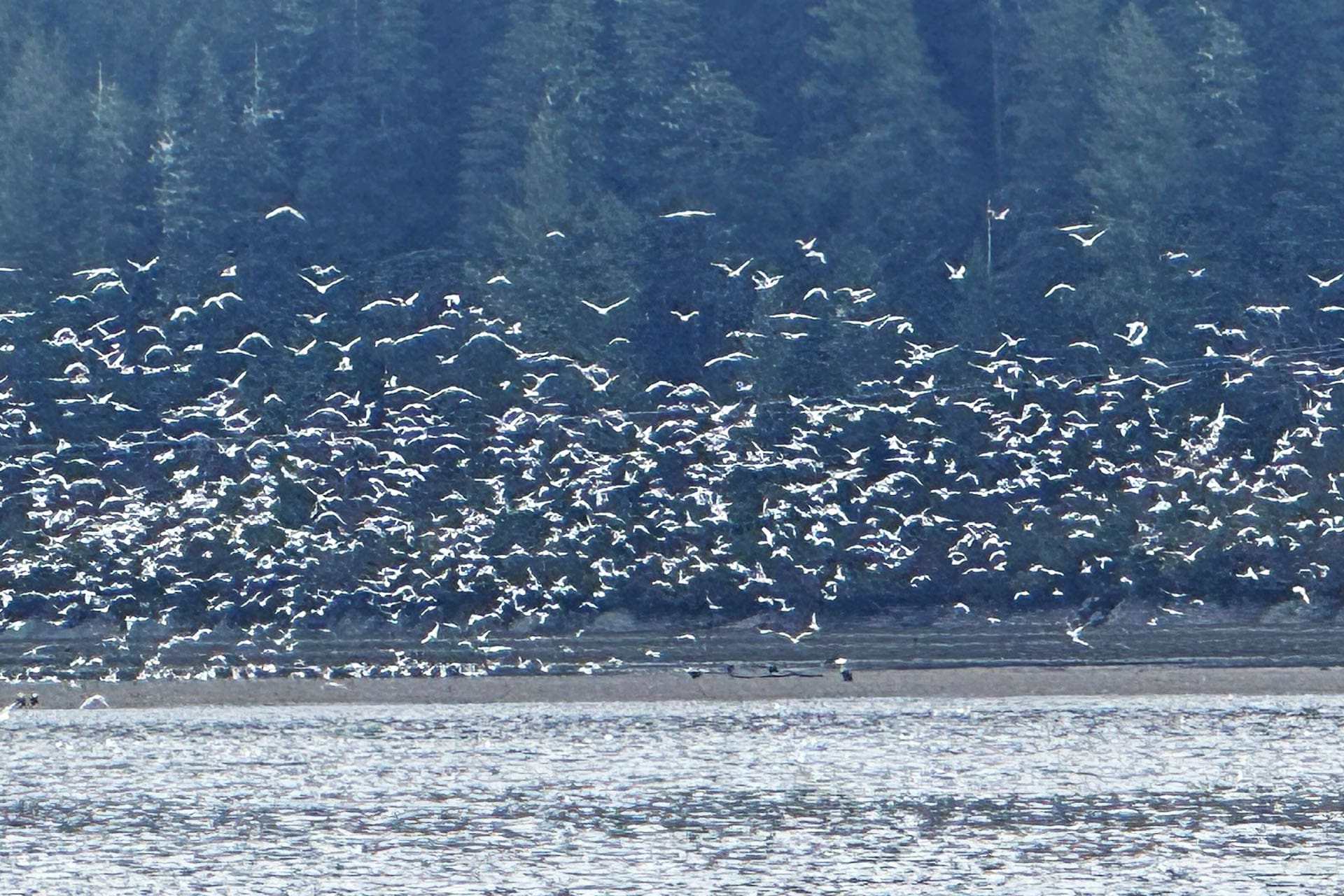
This stop offered a completely different experience. While there were no fishers here, the sky was filled with thousands of seagulls circling and diving toward the river. Against the foggy backdrop it almost looked like snowfall — there were that many birds scattered across the sky. Then we spotted them.
Sea lions.
Although they were quite far offshore, we could see their large bodies breaching the water again and again. This behaviour, known as porpoising, helps them move faster by leaping through the air where resistance is lower than in water.
Because the tide was out during our visit, it shaped the experience at each of our viewing stops a little differently. At Kwinitsa East, the lower water levels created ideal conditions for local fishers harvesting oolichan along the shoreline. At Telegraph Point, we could still see sea lions feeding, but they remained farther offshore than we might have seen if the tide had been higher.
We’ve heard that when the tide is in, sea lions sometimes come closer to shore. Next year, we’d love to return during high tide to see how the wildlife viewing experience might change.
If you’re planning your own visit, it can be helpful to check the tide schedule in advance. Tide information is available at tides.gc.ca — simply search for Prince Rupert, which provides the closest tide reference for this stretch of the Skeena River. Watching the wildlife feast during the oolichan run was unforgettable.
The Journey Back
As we began the drive back toward Terrace, the sun briefly broke through the clouds — the perfect send-off for the day.
More eagles soared overhead, and another colourful freight train sped along the tracks beside us.
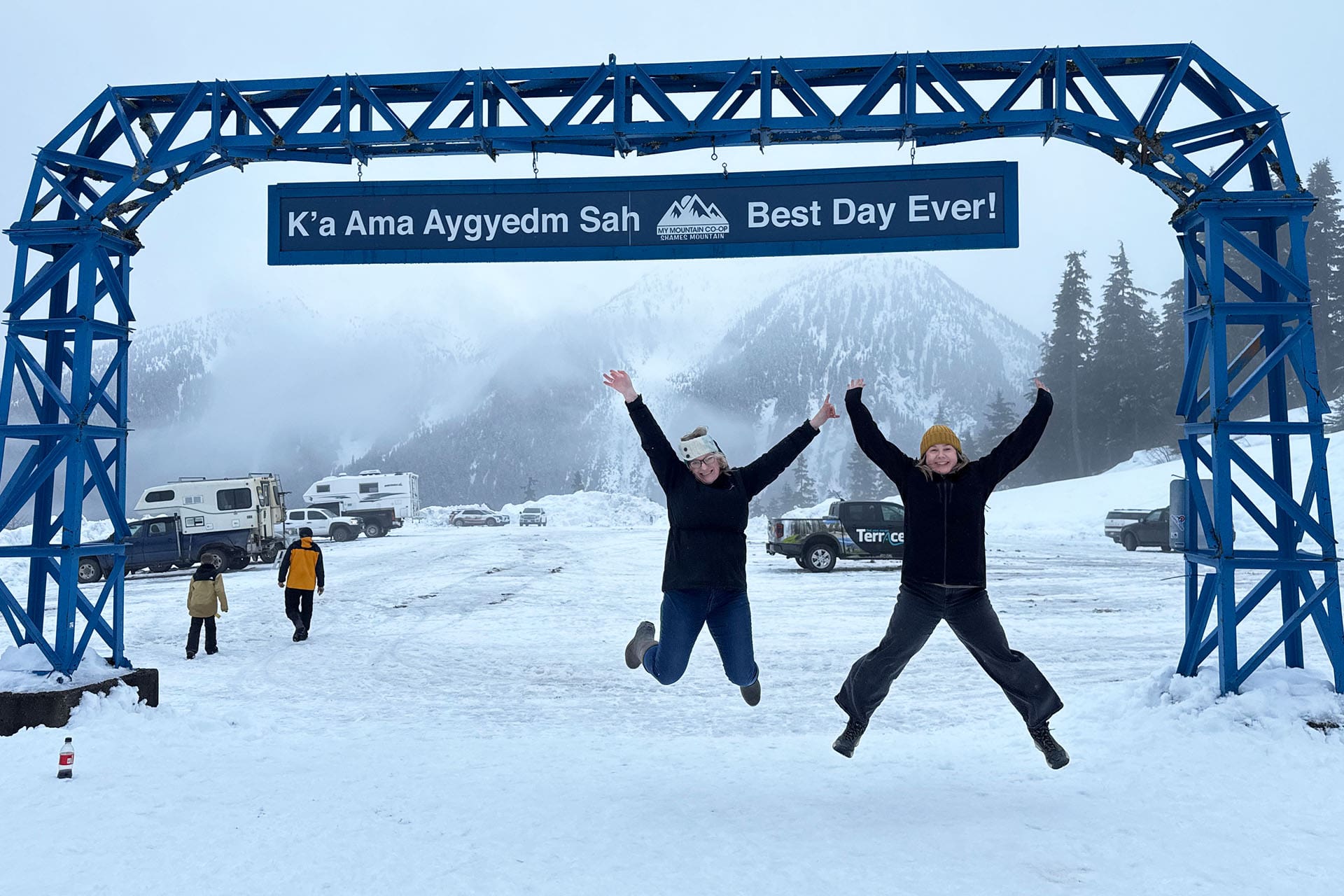
Before heading back into town, we made a small detour up the road to Shames Mountain. We’d heard the day lodge had a new chef, and his smashed burgers lived up to the hype. It was the perfect way to end the afternoon while watching the final skiers glide down the mountain as the lifts closed for the day.
Planning Your Own Oolichan Run Adventure
Our outing took about three hours total, including the drive, two viewing stops, and our lunch break. If you’re planning a similar trip, 2–4 hours is a great amount of time to set aside. You could easily extend the drive farther along Highway 16 or add additional stops.
The oolichan run typically occurs in late winter, and conditions can change quickly, so it’s always wise to check local information before heading out. And as Allison summed up perfectly:
“Now that I have experienced the oolichan run I will be sure to return in the following years.”
A Unique Northern Experience
Witnessing the oolichan run was more than just a wildlife viewing trip. It was a reminder of how deeply nature, culture, and community are connected in northwest British Columbia.
From soaring eagles and feeding sea lions to the generations of fishers continuing a meaningful tradition, the experience felt both humbling and inspiring. It’s a small adventure that offers a big perspective — and one we’re certain we’ll return for again.
Photo Gallery
Because weather, tides, and wildlife activity can change from day to day — or even hour to hour — every visit to the oolichan run is a unique experience. To give you a taste of what you might see, we’ve gathered a gallery of stunning images captured by talented local photographers, showcasing the river, the wildlife, and the energy of this remarkable event.
We hope these photos inspire you to witness the oolichan run for yourself and experience the magic of the Skeena River firsthand. For more details, be sure to visit the Oolichan Run page in the Wildlife section of our website.
Blog by Tourism Terrace